

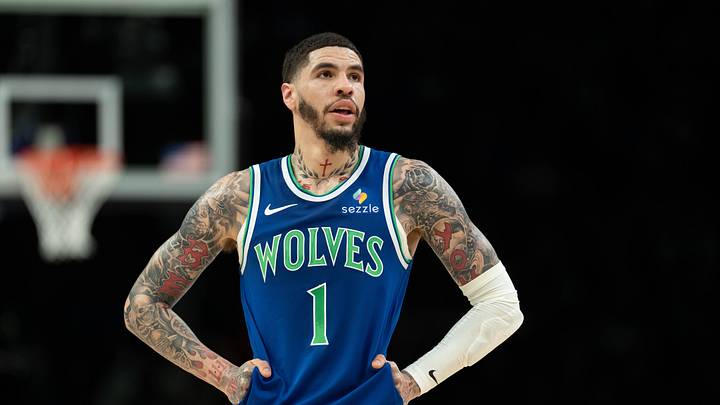
After a fast start with the Minnesota Timberwolves, the iron has not been kind to LaMelo Ball over his last four games. Ball was averaging 18.6 points while shooting 45.9 percent from the field and 40.6 percent from 3-point range in the first 12 games. Over the past four games, though, Ball's averages are down to 14.5 points while shooting 28.9 percent from the field and 26.1 percent from 3-point range
The explanation could be the absence of Anthony Edwards, who continues to be out indefinitely after undergoing arthroscopic knee surgery on Oct. 29. But the good news is that Ball is finding other ways to impact the team while his shot isn’t falling, and it could make him an even better player once he starts connecting.
LaMelo Ball’s defensive growth is becoming a major boost for the Minnesota Timberwolves
Offense was one of the main reasons why the Timberwolves acquired Ball in a four-team trade from the Charlotte Hornets last summer. With Edwards getting constant double teams, the Wolves needed someone who could be a secondary threat, and Ball fit the bill.
While Ball can put up numbers, he also can be a streaky shooter. That has shown up in recent weeks, with Chris Finch noting that he looks for “home run” plays by taking low-percentage shots. Cleaning up that shot selection is one way Ball can get going, but until that happens, Ball has needed to find other ways to contribute.
The most obvious is running the Timberwolves’ offense. Playing with Edwards at the point for most of last season, Ball has embraced being a facilitator and put his teammates in position to make plays. The Wolves have averaged 113.4 points per game in the 12 games that Edwards has missed due to injury, and Ball deserves a big chunk of credit for keeping the offensive output going while navigating a shooting slump.
There’s also an argument that Ball’s current average of 5.7 assists per game could be even better if Rudy Gobert were more efficient on the offensive end of the court and it’s that kind of play that has helped Minnesota weather the storm.
Despite Ball's offensive slump, he's playing the best defense of his career. After being labeled as a highlight merchant during his time in Charlotte, Ball has committed to defense to help the Wolves own the top defensive rating in the NBA at 104.7 points per 100 possessions.
Having Gobert on the inside helps that cause, but Ball has also been putting in the work, logging the lowest defensive rating of his career at 98.8 points per possession, according to Cleaning the Glass.
Ball has also dismissed that anything has changed on that end of the court, but the impact is being felt by several key plays. One of them came early this week, when his steal with under 10 seconds remaining sparked a fast-break that helped Jaden McDaniels score a go-ahead layup in a 106-105 win over the Portland Trail Blazers. He has also tied a career high with 1.8 steals per game thus far.
“He’s been doing that for us all season,” Finch said after Tuesday’s win. “You know, he was in a nice rhythm scoring the ball. You know, that’s kind of gone right now, but he’s still competing. He’s still guarding, he’s still rebounding. I think he’s made a couple of those types of steals late in the game for us. …We love that part about him and he’s really embraced that here.”
LaMelo Ball is making an impact for the Timberwolves despite his shooting slump
The way Ball is playing is good enough to help him through his slump. Yes, the Timberwolves would be a better team if he were knocking down 3-pointers and averaging 25 a game. There’s a good chance those shots could also start to fall soon, giving the Wolves’ offense a much-needed lift.
But until then, the Wolves have gotten strong contributions from Jaden McDaniels and Ayo Dosunmu to carry the load. Even a secondary threat like Jonathan Kuminga can pop up every once in a while, and if Gobert starts converting down low, Ball could start to see more room to knock down shots.
If Ball also keeps playing the way he has on the defensive end of the court, he’ll find a way to contribute to the team and help them stay afloat until Edwards is ready to return.
This doesn’t mean Ball has been perfect, but it’s a positive development that he can lean on until his shots start falling again.
 Add us as a preferred source on Google