

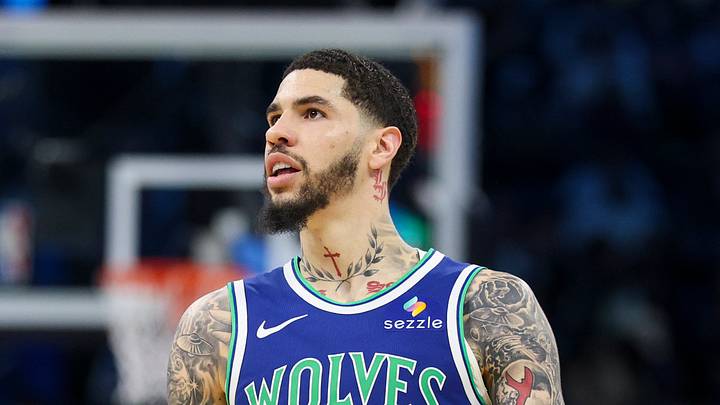
It's no secret that LaMelo Ball is crucial to the Minnesota Timberwolves' success. Adding some extra scoring and playmaking was vital for the Wolves, which explains the logic behind the offseason trade.
Ball's importance to the Wolves can be seen in the difference in his stats during wins vs. losses. In wins, LaMelo is averaging 21.2 points, 5.8 assists, and 3.6 rebounds, with 47.4/43.4/75 shooting splits. Conversely, in losses, he is averaging just 9.7 points, 6 assists, and 3.7 rebounds, with 31.3/16.7/75 shooting splits. Needless to say, that's a stark difference, and Ball must find more consistency, especially with Anthony Edwards sidelined for the time being.
In any event, it's clear that the Timberwolves are very dependent on Ball's play.
When LaMelo Ball is at his best, so are the Timberwolves
Monday's win over the Milwaukee Bucks is a nice example of Ball's offensive talent and impact. He recorded 34 points, six rebounds, and three assists, making six 3-pointers. In fairness, you'd like to see the Wolves win by more than 12 points against a lousy Bucks squad.
Still, LaMelo was fantastic, and the Wolves would've been lost without his shot-making abilities. He was the heartbeat of their offense and showed off his ability to provide first-option-level production.
And in other games, when Ball is in rhythm, the Wolves' offense looks unstoppable. The Wolves' season-opening win over the Miami Heat, where LaMelo had 21 points and six assists, is a great example of this. So was his 24-point, seven-assist outing against the Los Angeles Clippers. The Wolves posted a 123.8 ORTG against Miami and a 127 ORTG against LA. Those are elite, league-leading numbers.
Heck, Ball was also a plus-33 in a game against the Toronto Raptors, in which he played just 17 minutes. When his 3-point shot is falling, it gives the Timberwolves' offense so much firepower that they look unstoppable.
Plus, his playmaking uplifts everybody around him. Even if his passing doesn't lead to assists, his presence leads to more ball movement and, ultimately, better shots. Simply put, LaMelo's impact is undeniable.
Ball's bad games derail the Timberwolves' offense
As noted, though, Ball has been pretty erratic, and his bad games correlate with losses. The chart below highlights how LaMelo's bad games negatively impact the Wolves.
Game | Result | Ball's stats | Team ORTG |
|---|---|---|---|
10/26 vs CLE | 127-125 L | 11 points (5-for-11) | 112.6 (50th percentile) |
10/28 vs GSW | 119-114 L | 8 points (3-for-11) | 106.5 (33rd percentile) |
10/31 vs SAS | 121-111 L | 10 points (2-for-10) | 111(45th percentile) |
The one outlier in this discourse is the Wolves' win against the Orlando Magic, despite LaMelo shooting just 4-for-13 from the field. Outside of this game, though, if Ball has a bad game, it pretty much tanks the Wolves' offense. This makes sense, especially with Edwards out.
Without a doubt, the Timberwolves need Ball's playmaking and perimeter scoring. They lack advantage creation outside of him. Sure, Jaden McDaniels, Ayo Dosunmu, and Jonathan Kuminga are solid in this department. But that's not their bread and butter. The Wolves are counting on LaMelo to fill this void. Likewise, they need his playmaking to make their offense flow and get others shots to attack.
When he's not hitting shots and/or struggling with foul trouble, the Wolves' offense looks extremely disjointed, particularly now that Edwards is out.
There are two common threads in Ball's struggles. One is opposing teams playing physical on-ball defense. The other is him getting into foul trouble. LaMelo will need to be more disciplined on defense and show that he can consistently overcome physical defense.
If he can work through these issues and be more consistent, though, the Timberwolves' offense will be a force to be reckoned with, even while Edwards is sidelined.
 Add us as a preferred source on Google