

The Minnesota Timberwolves’ offseason moves looked to raise their ceiling. LaMelo Ball gave them the star point guard the franchise has desperately wanted for decades. That led fan excitement this offseason to reach heights the team hasn’t seen before.
Still, no team is perfect, and potential concerns arose as the regular season neared. The main issue was that losing Julius Randle and Naz Reid meant the Timberwolves had less size—a staple of the team in recent years. The question became: How would they handle some of the NBA's more physical teams?
Minnesota has passed the early tests with flying colors through two games. The Wolves’ first two opponents—the Miami Heat and the Orlando Magic—present physicality on both ends. The Wolves are 2-0, though, and neither game was close.
Physicality worries haven’t arisen in first two games
On Friday, Minnesota took care of business by defeating the Magic 115-93. The regular-season opener on Wednesday saw the Timberwolves win 131-105 against the Bucks. That’s two easy wins against quality Eastern Conference teams, with the starters getting rest to end each game.
The Heat feature a bullying frontcourt of Giannis Antetokounmpo and Bam Adebayo. Orlando has been one of the better defensive teams in recent years, and they play a sizable frontcourt with three starters listed at 6-foot-10.
At the start of the year, the Timberwolves’ first two games looked troubling because they were against two physical teams. Instead, Minnesota now has two wins on the season, with a combined 47-point margin.
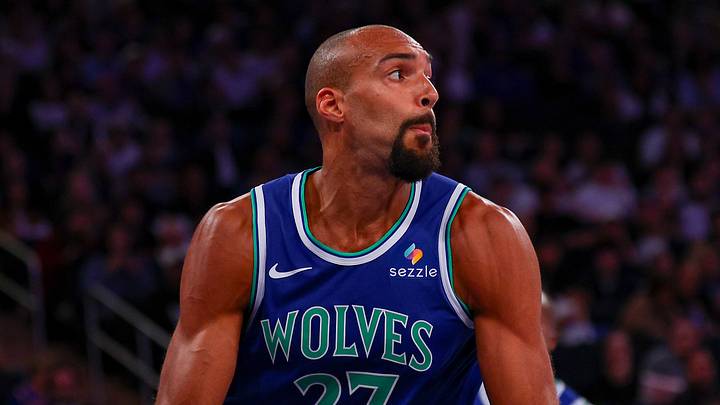
Rudy Gobert can’t grab every rebound, and the rest of the team has been doing an excellent job hitting the glass. Even with Randle and Reid in tow last season, the Timberwolves were a middle-of-the-pack rebounding team. Over the first two games, it has been a strength, as Minnesota has outrebounded its opponents 113-77, including a whopping 39-12 edge on the offensive glass.
While they were outscored in the paint in both games, this largely happened because the Timberwolves took a lot of 3-pointers. Jaden McDaniels and Ayo Dosunmu have often scored in the lane. Gobert played more in the restricted area in the second game, and Minnesota attempted 14 more free throws than Miami and Orlando.
It didn’t take long for the Timberwolves to quiet questions about whether they could perform well against more physical teams. Everyone on the team has contributed on the boards, and they have done a great job mixing long-range shots with drives to the basket.
Can they maintain it over an 82-game schedule? As long as everyone plays their part as they have, I see no reason why not.
 Add us as a preferred source on Google