

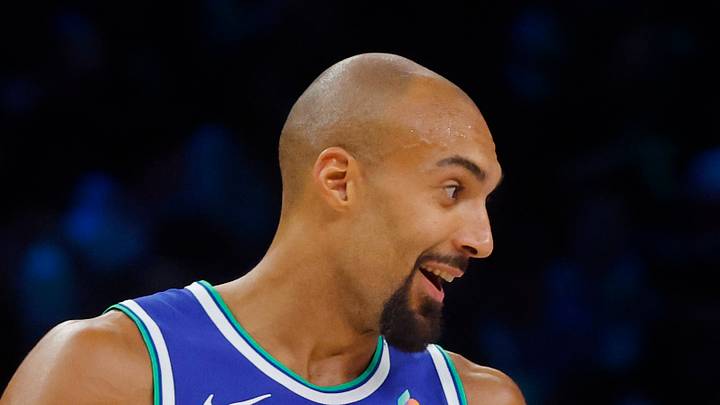
Perhaps the biggest concern about the Minnesota Timberwolves heading into the season was their rebounding. Honestly, this was pretty valid—with Julius Randle and Naz Reid out of the picture, Minnesota's frontcourt went from deep to thin. With Joan Beringer being so unproven, it was unclear where the Wolves' rebounding would come from outside of Rudy Gobert.
Eight games into the season, though, the Wolves miraculously led the league in rebounds per game, averaging 49.8 boards per game. In fairness, it's a small sample size, and it's unclear if this trend will continue.
Small sample size aside, never in a million years would I expect the Wolves to be leading the league in rebounding through eight games, and the whole team deserves a ton of credit for flipping the script on this concern. After all, even with a bigger and more physical frontcourt, the Wolves ranked 13th in rebounds per game.
Regardless, the Wolves flipping the script on this flaw is a super encouraging sign that could help them greatly come playoff time.
The Timberwolves' elite rebounding is a powerful weapon
While rebounding was a concern heading into the season, it was clear that through a collective effort, this problem was solvable. And that's exactly what we've seen so far.
Unsurprisingly, Gobert has captained the ship rebounding-wise, as he has averaged 12 boards. Joan Beringer has been one of the league's best offensive rebounders, averaging 3.8 offensive rebounds. Jaden McDaniels and Ayo Dosunmu are both averaging career highs in rebounds.
Whenever a shot goes up, all five guys are crashing the glass. The Wolves' collective athleticism is a clear factor in their success. Chris Finch also deserves credit for making rebounding such a point of emphasis.
The Western Conference is full of teams with frontcourt size and physicality. Of course, the San Antonio Spurs and Oklahoma City Thunder are at the top of this list. But there's also the Houston Rockets, who led the league in rebounding. The point being, Minnesota being able to, at the very least, hang with these bigger teams on the glass is a major advantage.
In a playoff series, this could help them overcome their lack of frontcourt size, especially considering they also have a ton of offensive firepower.
Rebounding is also a factor in the "possession battle." Simply put, the more rebounds you get, the more possessions and scoring opportunities you get. The Wolves' efforts on the offensive glass directly result in these extra scoring opportunities, but it works both ways. By crashing the glass on defense, you limit your opponent's scoring opportunities, and you get out in transition. This is pretty fundamental stuff—but it matters.
The Wolves rank 10th in pace, 10th in turnovers per game, and 12th in opposing turnovers per game. These are other ways that the Wolves are maximizing their possessions and ultimately setting themselves up to win on a nightly basis.
When it's all said and done, I don't think it's likely that the Wolves will lead the league in rebounding. Nevertheless, if the Timberwolves can be a top-10 rebounding team, that will be a major boost across the board as they try to compete for a title.
 Add us as a preferred source on Google