

The NBA’s changes to their draft lottery format might not take place until next season. But the changes have already thrown a wrench into the offseason plans of the Minnesota Timberwolves.
The Timberwolves are expected to be heavily involved in the trade market this summer as they look to build around Anthony Edwards. Part of that process could be to replenish their draft capital for a big move. The only problem is that the new lottery format has changed the way front offices are thinking about first-round picks and may be reluctant to put them into trades, according to Barry Jackson of the Miami Herald.
“One scout said he believes the [market for Milwaukee Bucks forward Giannis Antetokounmpo] has been smaller/softer than some might have thought. Because teams in the 9-10 play-in game will have the same lottery chances as the teams with the three worst records (for at least the next three years),” Jackson wrote. “Some teams seem to be thinking twice before shipping away a bunch of future firsts.”
Timberwolves might not be able to stockpile picks due to new NBA lottery rules
The Wolves have been linked to big stars this offseason, including Antetokounmpo (though it looks like that pursuit is over) and Dallas Mavericks point guard Kyrie Irving, but they need assets to make a deal happen. Minnesota has been insistent on a core involving Edwards, Naz Reid, Jaden McDaniels and Joan Beringer and they have a limited amount of draft picks to include in trades.
A possible workaround to this problem could be to trade Julius Randle or Rudy Gobert to get more picks to deal with in a larger deal. But the new lottery system, which is designed to discourage teams from tanking, is getting in the way.
While the worst three teams in the NBA got the best chance at the No. 1 overall pick in the old format, they are now in the “draft relegation zone” that gives them a 5.4 percent chance of landing the No. 1 overall pick. That doesn’t sound terrible, but it’s the same odds that the teams who finish as the ninth and 10th seeds in the playoff tournament will receive, increasing the value of first-round picks.
In addition, an 8.1 percent chance to win the No. 1 pick will go to the teams that finish as the fourth through 10th-worst teams in the league. With each pick also holding its own drawing and a ban on protecting top-12 through top-15 on newly traded draft assets, a team could easily go from a fringe playoff team to landing a franchise-caliber player or a top-five pick, which has teams skittish to throw away that opportunity.
Take the Charlotte Hornets, for example. A team that made the play-in last year, they could possibly be interested in Gobert to improve their center spot. While they could send their first-round pick in the 2027 draft to the Wolves as part of that deal, they may not be willing to send that pick under the new rules.
This is because if the Hornets finish as a play-in team that doesn’t make the playoffs, they’ll have a better chance at the No. 1 overall selection and a top-five selection that they did in the previous format, making those picks harder to give away. While the Wolves won’t care if it lands them a star, the Hornets may have some regret, making trades more difficult to pull off.
Similar fringe teams that consider Gobert or Randle could be in the same boat and it could be hard for the Timberwolves to acquire the assets needed to make a blockbuster trade no matter who the target is.
Another hurdle is that teams can no longer win the lottery in back to back years and can not have top-five picks in three consecutive years. This alters the value of draft picks and may have teams think twice as to which picks they're receiving in a trade.
ESPN's Tim Bontemps used the Memphis Grizzlies as an example, as they received a first-round pick from the Utah Jazz in a trade involving Jaren Jackson Jr. at the trade deadline. Because the Jazz picked No. 5 overall last year and will pick second this year, they can not get a top-five pick in the 2027 draft, which means that pick is now a devalued asset compared to when it was acquired in February.
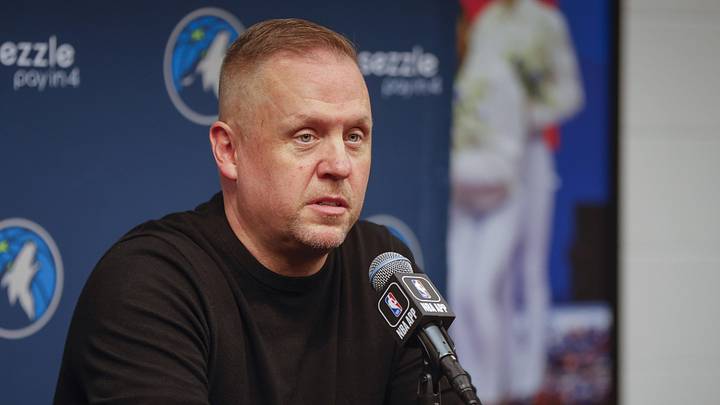
For a team desperate to make moves, this is a rough development and could leave president of basketball operations, Tim Connelly, trying to get creative as he improves Minnesota’s roster for next season.
 Add us as a preferred source on Google