

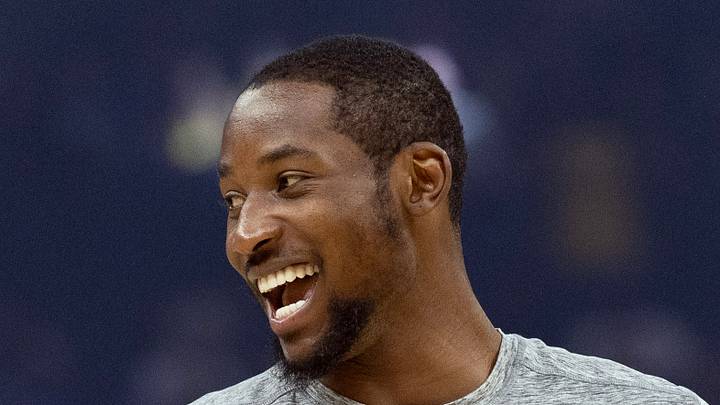
The Minnesota Timberwolves’ starting lineup is finally set after it was announced that they would be signing Jonathan Kuminga on Wednesday. The long-unanswered question of who would start at power forward has finally been answered.
Kuminga fits the role better than anyone else on the roster could have. The Wolves sacrificed size—Julius Randle and Naz Reid—in order to add LaMelo Ball, thus creating the hole on their roster before adding Kuminga.
While that made the roster more dynamic, it also raised concerns about how the Timberwolves would fare on the glass. Kuminga is no Dennis Rodman in that aspect, but he will at least be able to help out significantly with rebounding.
Kuminga is coming off a career-best season on the glass
The Timberwolves do roster one of the best rebounders in the game: Rudy Gobert. The 7-foot-1 center has averaged double figures in rebounds in each of the last 11 seasons.
As good as he is, he cannot be expected to grab every miss off the rim. Kuminga will give Gobert some much-needed help, particularly on the defensive glass.
Last season, the 6-foot-7 Kuminga made more of an effort on the glass than he had previously in his career, averaging a career-best 8.8 rebounds per 36 minutes. That is actually more than both Randle (7.3) and Reid (8.6) averaged with Minnesota per 36 minutes in 2025–26.
The Timberwolves barely outrebounded the opposition last season, finishing with a 28-rebound advantage over 82 games. The San Antonio Spurs secured 38 more boards than Minnesota over their six-game series in the Western Conference semifinals.
Teams such as San Antonio and the Oklahoma City Thunder do have a lot of size, and Kuminga at least puts Minnesota at less of a disadvantage compared with those teams in terms of rebounding prowess.
Don’t expect Minnesota to suddenly become one of the better rebounding teams after being middle-of-the-pack in that area. They look like they can be adequate at least, though. In addition to Gobert and Kuminga, the Timberwolves also have a taller point guard in Ball, who has done good work during his career grabbing long rebounds.
Players such as Joan Beringer and Trey Lyles possess a lot of size and can come off the bench to grab some rebounds.
Kuminga also likely realizes that his path to a more lucrative long-term deal involves showing that he can do more than just score.
Rebounding is something he can focus on to show the Timberwolves—or any other NBA team, as he will likely be a free agent again next offseason if he declines his 2026–27 player option—that he can become a well-rounded player who helps win games.
 Add us as a preferred source on Google