

The fanbase’s excitement for the Minnesota Timberwolves this season has reached heights the franchise may never have seen before. If things break right for Minnesota, they can certainly make a deep postseason run. Plus, they’ll be fun to watch, led by the dynamic backcourt of Anthony Edwards and LaMelo Ball.
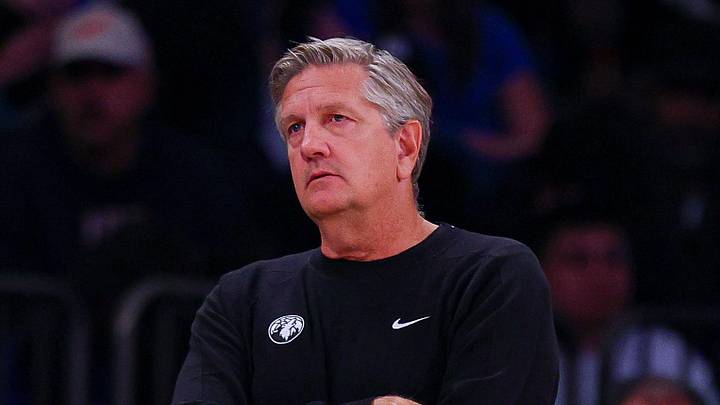
Still, no team is perfect. Chris Finch is aware of this. Speaking to the media on Sunday, he highlighted that rebounding will be the team's biggest hurdle.
“I mean rebounding is at the top of the list,” Finch said when asked about the team's biggest hurdles. “We got to make sure we continue to put an emphasis on rebounding…and it’s going to have to come from Jaden (McDaniels) and Anthony (Edwards) and these guys who traditionally have not always rebounded at the highest level. Those guys are going to have to really get in there.”
Rudy Gobert can’t be the only one doing the dirty work, and this issue has been discussed nearly all offseason. Thankfully, this issue is manageable, and it shouldn't disqualify the Wolves from reaching their title aspirations.
The Timberwolves need a team effort on the glass
While the Timberwolves are more exciting, they also lost some size. Trading away both Naz Reid and Julius Randle leaves the Timberwolves without two of the three players who were regularly in last season’s rotation and who would qualify as “bigs.”
Ranking 13th in rebounds per game, the Wolves were essentially a middle-of-the-pack rebounding team last season. Gobert is one of the NBA’s elite rebounders, but he can’t grab every miss.
Playing Joan Beringer more will help, particularly so their rebounding doesn’t fall off a cliff whenever Gobert needs rest. Jonathan Kuminga is coming off a career-best rebounding season.
If Anthony Edwards ever wants to be considered a top MVP candidate, his counting numbers outside of his scoring need to improve, and that includes his rebounding. He has averaged at least five boards per game for four straight years but never six.
While McDaniels is an elite defender, his lanky frame makes it difficult for him to crash the glass. His best season came in 2024-25 when he posted career-best offensive and defensive rebounding rates.
They also now roster Ball, a taller point guard who can help with deep rebounds. It would behoove Minnesota’s offense if Ball grabs plenty of rebounds so they can get into their transition offense from the get-go. The point is that the Timberwolves can solve this problem.
Plus, being a great rebounding team isn’t exactly a prerequisite to winning a title. While last season’s New York Knicks had a strong year on the glass, the 2024-25 Oklahoma City Thunder were slightly outrebounded during the regular season. Despite the rebounding deficit, the Thunder still finished with the best single-season point differential in NBA history.
Finishing as an average rebounding team again may qualify as a win for the Timberwolves. Nobody sets out to be a poor rebounding team, but it doesn’t disqualify a team from being a title contender. If the Wolves excel in areas they are expected to, an excellent season should still be in store.
 Add us as a preferred source on Google